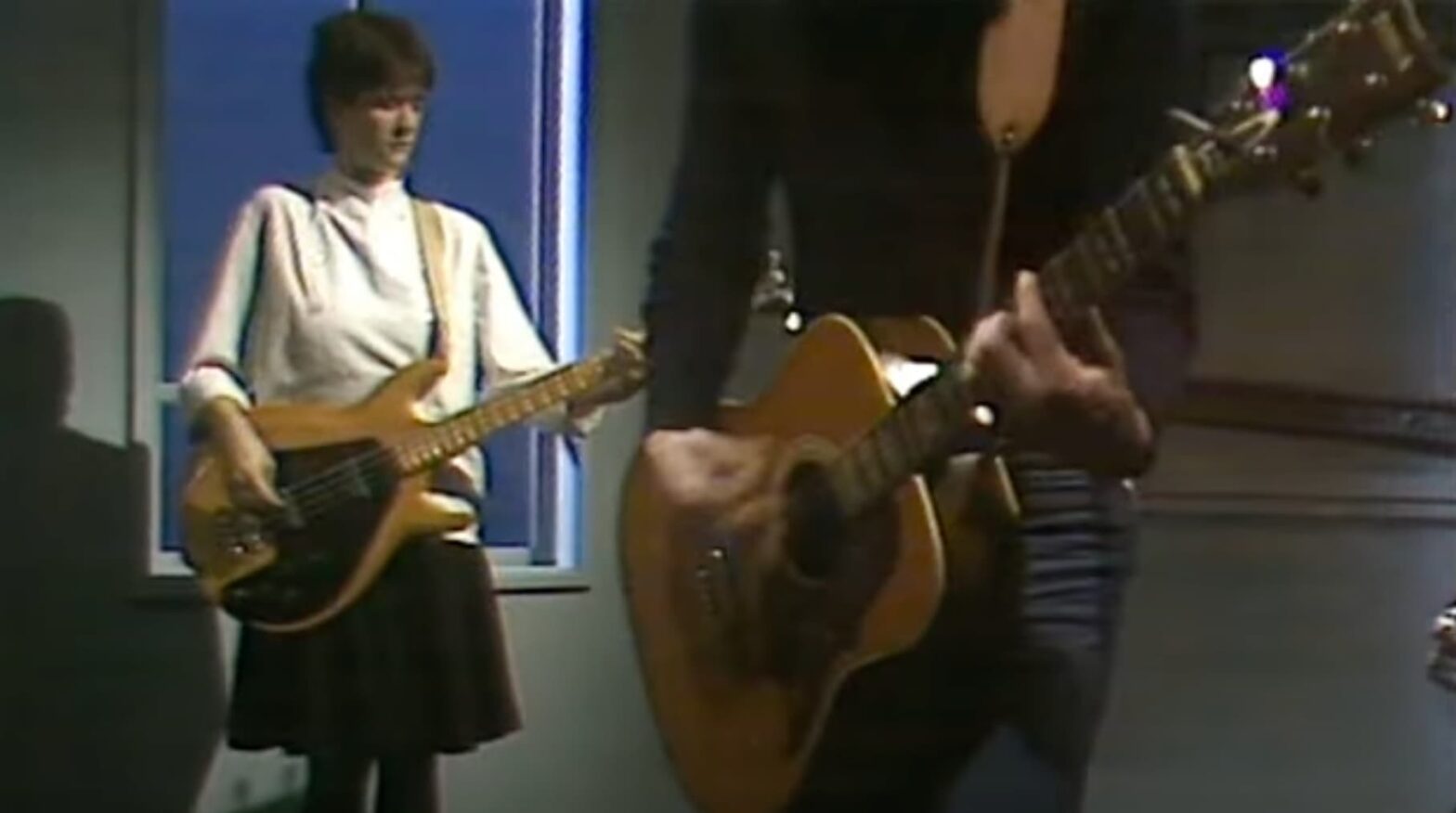
Graeme Downes, the frontman and primary songwriter of The Verlaines, stands out not only for his musical prowess but also for his profound literary sensibility. His lyrics are rich with poetic imagery, literary references, and intricate narratives, making The Verlaines’ songs a treasure trove for those who appreciate the intersection of music and literature. In this article, we will delve into the literary journey that Graeme Downes’ lyrics invite us on, exploring the themes, influences, and storytelling techniques that define the band’s unique musical legacy.
The Foundation of a Literate Lyricist
Graeme Downes’ background in classical music and literature significantly influences his songwriting. Holding a PhD in Music, Downes’ academic and artistic endeavors inform his approach to lyricism, setting him apart from many of his contemporaries. This scholarly foundation is evident in the complexity and depth of his lyrics, which often draw from a wide array of literary and poetic traditions.
Literary Themes in The Verlaines’ Songs
One of the most striking aspects of Downes’ lyrics is their thematic richness. He frequently explores themes of love, loss, existential angst, and social commentary, all framed within a literary context.
- Love and Loss:
- Example: “Death and the Maiden” is perhaps the most famous Verlaines song, and it poignantly explores the intersection of love and mortality. The title itself is a direct reference to a common artistic motif in Western literature and art, symbolizing the transient nature of life and the inevitability of death;
- Lyrics Analysis: “Here stands a man with a bullet in his clenched right hand / Don’t push him any further, it’s already as much as he can stand.” These lines encapsulate the desperation and finality that often accompany profound loss, framed within a narrative that is both personal and universally relatable.
- Existential Angst:
- Example: “The Ballad of Harry Noryb” reflects Downes’ ability to weave existential questions into his music. The song tells the story of a man grappling with his identity and place in the world;
- Lyrics Analysis: “You say that all the world’s a stage and life’s a play / And you come to find in playing life that the play’s no good.” This Shakespearean allusion underscores the existential dilemma of finding meaning in life’s performance, a recurring theme in Downes’ work.
- Social Commentary:
- Example: “Doomsday” from the album Bird Dog critiques societal apathy and the impending sense of doom felt in a rapidly changing world;
- Lyrics Analysis: “Nowhere you can run to from the cities of the plain / You’ll find nobody’s listening to your stricken voice of blame.” Downes’ lyrics here resonate with a prophetic urgency, echoing literary traditions of social critique and warning.
Literary Influences and References
Downes’ lyrics are peppered with references to literary figures and works, enhancing the depth of his songwriting.
- Paul Verlaine: The band’s name itself is a homage to the French poet Paul Verlaine, whose Symbolist poetry emphasized musicality and mood over strict narrative. This influence is evident in Downes’ often elliptical and evocative lyrics.
- Shakespeare: As seen in “The Ballad of Harry Noryb,” Downes frequently draws upon Shakespearean themes and language, adding a timeless quality to his lyrics. The existential musings and dramatic flair of Shakespearean drama resonate throughout The Verlaines’ catalog.
- Modernist Poets: Downes’ lyrics also reflect the influence of Modernist poets like T.S. Eliot and Ezra Pound, with their fragmented narratives and dense, allusive language. This is particularly evident in songs like “Pyromaniac,” where disjointed imagery and shifting perspectives create a complex, layered narrative.
Storytelling Techniques
Downes employs a variety of storytelling techniques that make his lyrics compelling and memorable.
- First-Person Narratives: Many of The Verlaines’ songs are written in the first person, creating an intimate connection between the singer and the listener. This perspective allows Downes to explore deeply personal themes with authenticity and emotional resonance.
- Symbolism and Imagery: Downes’ use of symbolism and vivid imagery adds layers of meaning to his lyrics. In “Death and the Maiden,” the recurring imagery of bullets, blood, and death creates a haunting tableau that underscores the song’s themes of mortality and loss.
- Non-Linear Narratives: Like many literary Modernists, Downes often eschews linear storytelling in favor of fragmented, non-linear narratives. This approach mirrors the complexity of human experience and memory, inviting listeners to piece together meaning from disparate elements.
Conclusion
Graeme Downes’ lyrics for The Verlaines stand as a testament to the power of words in music. His literary approach to songwriting has created a body of work that is as intellectually stimulating as it is emotionally resonant. By blending poetic imagery, literary references, and sophisticated storytelling techniques, Downes has crafted a lyrical legacy that continues to captivate and inspire.
For fans of The Verlaines and lovers of literature alike, exploring the lyrics of Graeme Downes offers a rich and rewarding journey. As we continue to listen to and reflect on his songs, we uncover new layers of meaning and appreciation, ensuring that the legacy of The Verlaines endures for generations to come.